
.jpeg)
Top Steel Products for Contractors and Builders

Steel is a fundamental material in construction, known for its strength, durability, and versatility. For contractors and builders, choosing the right steel products can significantly impact the quality and longevity of their projects. In this blog post, we will explore the top steel products that every contractor and builder should consider, along with their applications, benefits, and tips for selection.
Understanding Steel Types
Before diving into specific products, it’s essential to understand the different types of steel available. Each type has unique properties that make it suitable for various applications:
Carbon Steel: Known for its strength and hardness, carbon steel is widely used in construction. It is categorized into low, medium, and high carbon steel, each with varying levels of ductility and tensile strength.
Alloy Steel: This type of steel includes additional elements such as chromium, nickel, or molybdenum, enhancing its properties. Alloy steel is often used in high-stress applications.
Stainless Steel: Renowned for its corrosion resistance, stainless steel is ideal for environments exposed to moisture or chemicals. It is commonly used in architectural applications and kitchen equipment.
Structural Steel: This is a category of steel used for making construction materials. It includes beams, columns, and plates, which are essential for building frameworks.
Essential Steel Products for Construction
Steel Beams
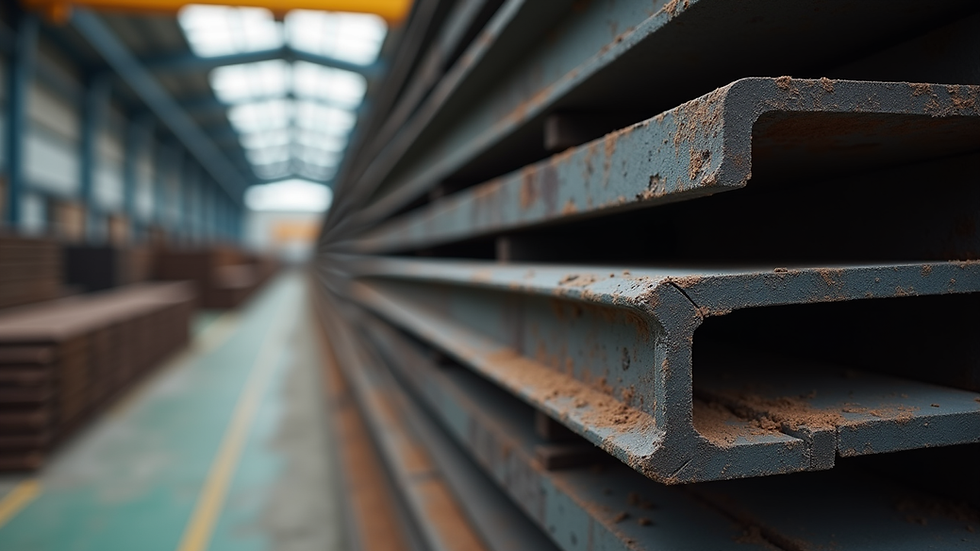
Steel beams are crucial in providing structural support for buildings. They are available in various shapes, including I-beams, H-beams, and C-channels.
Benefits of Steel Beams:
High strength-to-weight ratio
Ability to span long distances without support
Resistance to warping and shrinking
Applications:
Residential and commercial buildings
Bridges and overpasses
Industrial structures
Steel Rebar
Reinforcing bars, or rebar, are used to strengthen concrete structures. They are typically made from carbon steel and come in various sizes and grades.
Benefits of Steel Rebar:
Increases tensile strength of concrete
Reduces the risk of cracking
Improves durability and longevity of structures
Applications:
Foundations and slabs
Retaining walls
High-rise buildings
Steel Plates
Steel plates are flat pieces of steel that can be cut and shaped for various uses. They are available in different thicknesses and grades.
Benefits of Steel Plates:
Versatile and easy to work with
Can be used for a variety of applications
Provides excellent strength and durability
Applications:
Base plates for columns
Structural components in machinery
Fabrication of custom parts
Steel Tubing
Steel tubing is hollow steel that is used in various construction applications. It is available in round, square, and rectangular shapes.
Benefits of Steel Tubing:
Lightweight yet strong
Easy to weld and fabricate
Ideal for structural and decorative applications
Applications:
Framework for buildings
Handrails and fencing
Furniture and fixtures
Steel Wire
Steel wire is used in a variety of applications, from construction to manufacturing. It is available in different gauges and can be coated for added protection.
Benefits of Steel Wire:
High tensile strength
Flexible and easy to work with
Resistant to corrosion when coated
Applications:
Tying rebar in concrete
Fencing and security applications
Manufacturing of springs and cables
Choosing the Right Steel Products
When selecting steel products for construction, consider the following factors:
Project Requirements
Understand the specific needs of your project. For example, if you are building a high-rise, you may need high-strength steel beams and rebar.
Environmental Conditions
Consider the environment where the structure will be located. If it will be exposed to moisture, stainless steel or coated products may be necessary to prevent corrosion.
Budget Constraints
Steel products can vary significantly in price. Determine your budget early on and look for products that meet your requirements without compromising quality.
Supplier Reliability
Choose a reputable supplier who can provide high-quality steel products. Look for suppliers with good reviews, certifications, and a proven track record in the industry.
Best Practices for Working with Steel
Safety First
Working with steel can be dangerous. Always wear appropriate personal protective equipment (PPE), including gloves, safety glasses, and steel-toed boots.
Proper Handling
Steel products can be heavy and cumbersome. Use appropriate lifting equipment and techniques to avoid injury.
Quality Control
Inspect steel products upon delivery to ensure they meet specifications. Look for any signs of damage or defects before using them in your project.
Welding and Fabrication
If you need to weld or fabricate steel products, ensure that you have skilled personnel who understand the proper techniques. Poor welding can compromise the integrity of the structure.
Conclusion
Steel products are essential for contractors and builders, providing the strength and durability needed for successful construction projects. By understanding the different types of steel and their applications, you can make informed decisions that will enhance the quality of your work. Remember to consider project requirements, environmental conditions, and budget constraints when selecting steel products. With the right materials and practices, you can build structures that stand the test of time.
As you embark on your next project, take the time to evaluate your steel product options carefully. The right choices can lead to greater efficiency, safety, and satisfaction in your construction endeavors.


Comments